Marketing agencies have an uncomfortable irony baked into their business model: they spend their days generating leads and building client relationships for others, but their own new business pipeline often runs on scattered spreadsheets, delayed follow-ups, and whoever happens to have bandwidth that week. The cobbler's children famously have no shoes — and the digital agency's lead generation is frequently its weakest system.
An AI agent fixes the client-facing communication layer that agencies consistently neglect: responding to inbound inquiries immediately, following up on proposals systematically, onboarding new clients without friction, and catching churn signals before they become cancellation notices.

The Agency Growth Trap: Great at Client Work, Terrible at Winning and Keeping Clients
Agency growth follows a predictable and painful pattern. The founders are brilliant strategists or creatives who win early clients through their network and reputation. As the agency grows, they become so consumed with delivery that business development gets neglected. Inbound leads sit in inboxes for hours. Proposals go without follow-up. Clients who quietly become dissatisfied never get proactively checked in on — until they send a cancellation email.
The economics of this pattern are brutal. At a 4% monthly churn rate, an agency loses nearly half its client base every year and must replace all of it just to stay flat. Growing becomes nearly impossible when so much energy goes to replacing lost clients.
What an AI Agent Does Across the Agency Client Lifecycle
| Stage | Agent Action | Business Impact |
|---|---|---|
| Inbound lead arrives | Responds within seconds, qualifies budget/goals, books discovery call | Zero leads fall through due to slow response |
| Proposal sent — no response 48h | Follow-up with relevant case study and value reinforcement | Recovers 25–35% of stalled proposals |
| Contract signed — onboarding | Collects brand assets, access credentials, goals, audience data | Strategy team starts with complete brief |
| Monthly — active client | Performance summary + what's planned for next month | Clients feel informed, reducing "what are you doing for us?" calls |
| Client response time slows | Proactive check-in and satisfaction pulse | Early churn detection — 6–8 weeks earlier than traditional |
| Contract renewal approaching | Renewal conversation 60 days out with results summary + upsell options | 85%+ renewal rate vs. 60% industry average |
| Upsell opportunity detected | Suggests relevant additional service based on client's current results | Increases average retainer value over time |
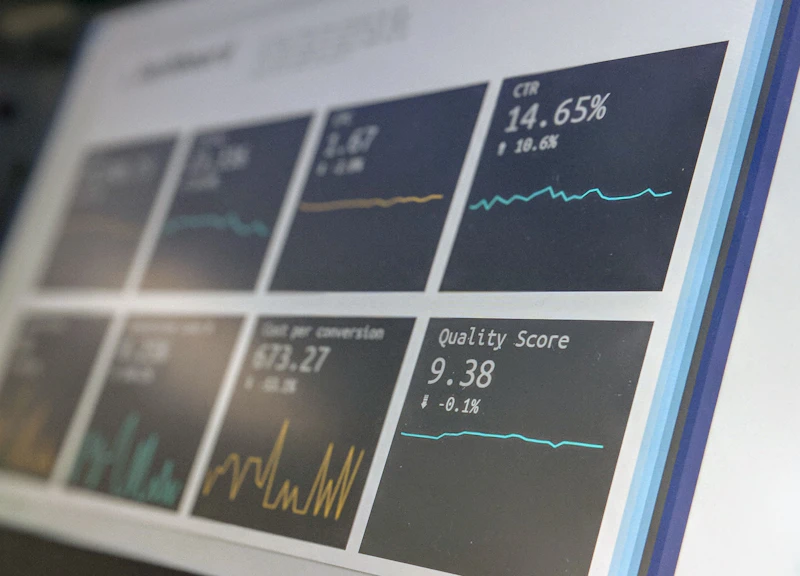
Proposal Follow-Up: The Revenue Sitting in Every Unanswered Deck
A marketing agency proposal takes 4 to 12 hours to produce — discovery call, research, strategy outline, pricing, case studies, formatting. After all that investment, most agencies send the proposal and follow up once. When there's no response to that, the opportunity is written off.
The prospect is often still evaluating two or three agencies, working through internal budget approval, or simply dealing with a busy week. The agency that follows up with patience — and with content that reinforces why their approach uniquely fits the client's problem — wins the retainer. The agent runs this structured sequence for every proposal automatically.
Monthly Reporting: The Retention Tool Most Agencies Under-Deliver
The single most common reason clients leave marketing agencies is not poor results — it's feeling like they don't understand what the agency is doing or why it matters. Clients who receive a clear, jargon-free monthly summary of what was done, what it achieved, and what's planned next renew at dramatically higher rates than clients left to wonder.
The agent sends a monthly summary to every active client — personalized with their brand name, key metrics from the past month, and highlights of upcoming work. Each message opens with the most meaningful result achieved, not a list of activities. This single touchpoint, sent consistently, is the highest-ROI retention action most agencies can take.
Real-World Result: Focal Point Digital — Austin, TX
Founder: Ryan Castellano | Team: 6 specialists + 2 account managers
Focal Point served 18 SMB clients across e-commerce, SaaS, and local services verticals. Ryan's team was excellent at SEO, paid media, and content — but new business development was reactive and inconsistent. Inbound leads from the website averaged a 4-hour response time, proposal follow-up was manual and easy to skip, and the agency was losing 2 to 3 clients per quarter to competitors or budget cuts it never saw coming.
After deploying the AI agent from The Turn AI, connected to the agency's website chat, email, and main communication channels:
| Metric | Before | After (90 days) |
|---|---|---|
| Lead response time | 4.1 hours | 55 seconds |
| Proposal-to-close rate | 22% | 44% |
| Monthly client churn rate | 4.8% | 1.4% |
| Active retainer clients | 18 | 28 |
| Average retainer value | $4,200/mo | $5,100/mo |
| Annual recurring revenue | $907,200 | $1,713,600 |
"We were spending 80% of our time on delivery and 20% on everything else — including keeping clients happy. The agent flipped the client communication burden off my account managers. They now spend their time on strategy, not status update emails. Churn dropped in half in the first quarter."
Client Onboarding: The 30 Days That Determine Whether a Client Stays for 3 Years
The first 30 days of a new client relationship are disproportionately important for long-term retention. Clients who experience a smooth, professional onboarding — where they feel heard, organized, and confident in the agency's process — stay significantly longer than clients whose onboarding was chaotic or slow to start.
The agent manages the onboarding checklist automatically: collecting brand guidelines, access to ad accounts and analytics, target audience profiles, competitive landscape notes, and campaign goal alignment. Each item has a clear deadline, and the agent follows up if anything is overdue. The strategy team receives a complete brief on day one instead of chasing assets for the first two weeks.
For agencies that also advise clients on their own AI and automation adoption, see the article on AI agents for IT and managed service providers — a vertical with nearly identical retainer economics and churn patterns.
Frequently Asked Questions
How does an AI agent help a marketing agency win more new clients?
The agent responds instantly to inbound leads, qualifies budget and goals, books discovery calls, and follows up on proposals systematically — ensuring no lead goes cold due to slow response or inconsistent follow-up from a busy team.
Can an AI agent reduce client churn for a marketing agency?
Yes. The agent sends proactive monthly performance summaries, collects client satisfaction signals, and alerts account managers when a client shows signs of disengagement — long before a formal cancellation notice arrives.
How does an AI agent improve client onboarding for an agency?
The agent guides new clients through the onboarding checklist — collecting brand assets, access credentials, target audience information, and campaign goals — so the strategy team receives everything they need on day one.
Can the AI agent handle routine client communication so account managers can focus on strategy?
Yes. The agent handles status update inquiries, reporting reminders, invoice questions, and meeting scheduling — reducing the daily administrative load on account managers by 30–50%.
Does an AI agent work for small boutique marketing agencies?
Particularly well. Small agencies with 3–15 clients benefit most because the agent handles the client-facing communication layer that typically requires a dedicated account coordinator — at a fraction of the cost of a full-time hire.
Ready to fix the client communication gap that's costing your agency retainers?
See how The Turn AI agent works for marketing and digital agencies. Free demo — no commitment.
Try the agent freeWant an AI agent for your business?